FHA Appraisal Requirements: Checklist, Cost & Repairs
 11.13.2026
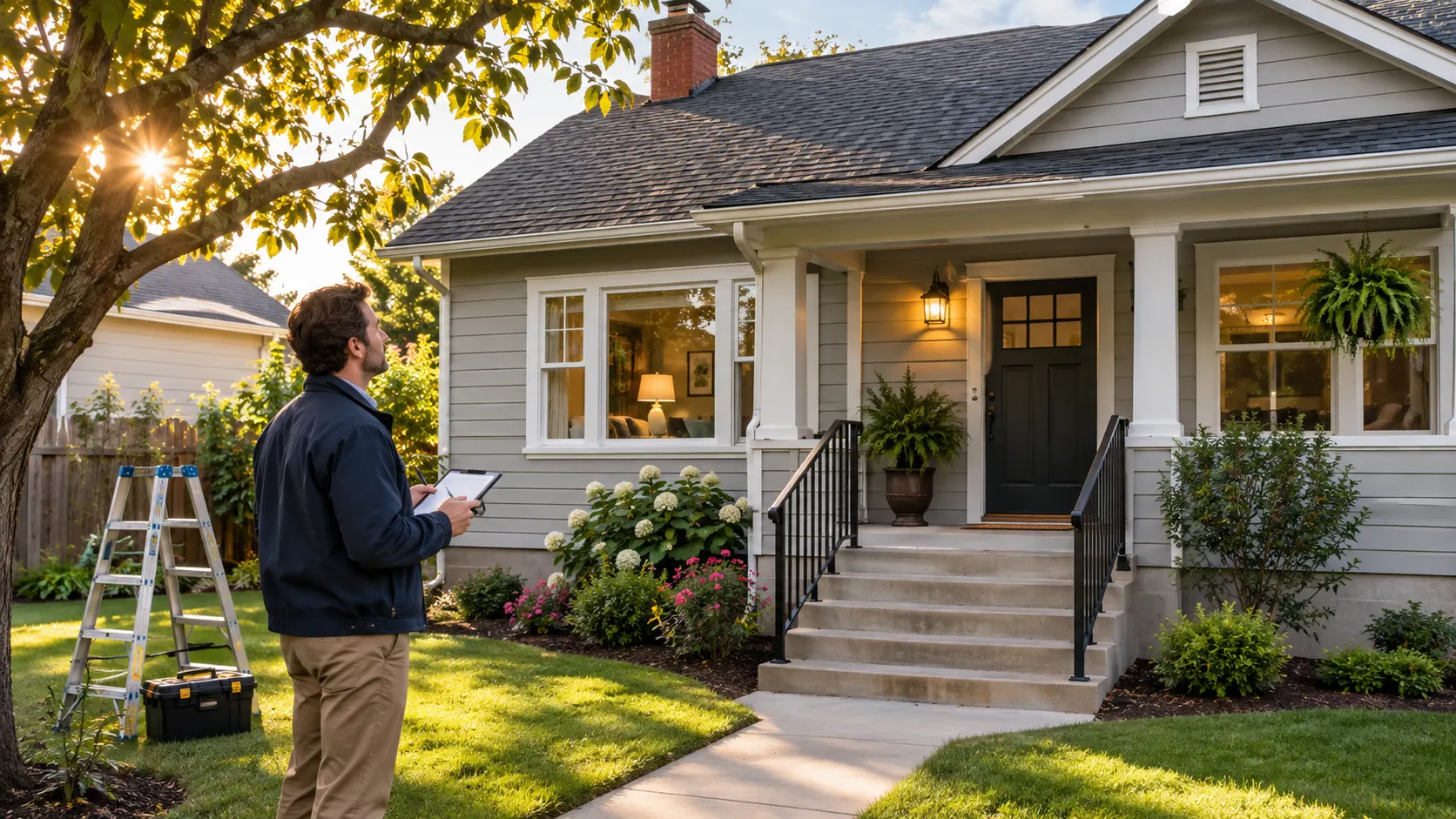
Your offer was accepted, and you're ready to picture moving in. Then the appraiser finds peeling paint on the porch and a loose stair railing, and your lender pauses the filing.
That is why FHA appraisal requirements matter. An FHA home appraisal does more than set a price. It also decides whether the house is safe enough for an FHA-insured mortgage.
The appraiser confirms the home’s value and checks that it meets HUD’s safety, soundness, and security standards. Most homes in decent shape pass, and a flagged repair is a to-do item, not a dead end. Expect to pay about $400 to $700 for the appraisal, and plan for the chance of a low value.
How FHA appraisal requirements work from offer to closing
Every FHA purchase needs an appraisal, and it confirms the home’s value and confirms it meets HUD’s minimum property standards. The appraiser compares the home to recent nearby sales, so FHA does not back a loan for more than the home is worth. The appraiser also works in your favor, because it can flag safety problems before you own them.
Your lender orders the report from an FHA-approved appraiser listed on HUD’s FHA roster. You don’t pick the appraiser. The visit often takes a few hours, and the report can take from a few days to a few weeks. Your lender’s underwriter then reviews it.
FHA does not require a home inspection, but you should get one anyway. The appraisal protects the lender. An inspection protects you, and it digs deeper into pests, plumbing, and hidden damage.
FHA appraisal guidelines
Appraisers follow HUD Handbook 4000.1, FHA’s policy rulebook. Two of its guidelines surprise buyers:
- Flood zones: A home in a FEMA flood hazard area can qualify only if its community participates in the National Flood Insurance Program, and flood insurance is required.
- Fast resales: A home resold within 90 days of the seller's purchase is not eligible. A resale at 91 to 180 days with a price jump of 100% or more needs a second appraisal. Some exceptions apply, like inherited homes.
FHA appraisal checklist
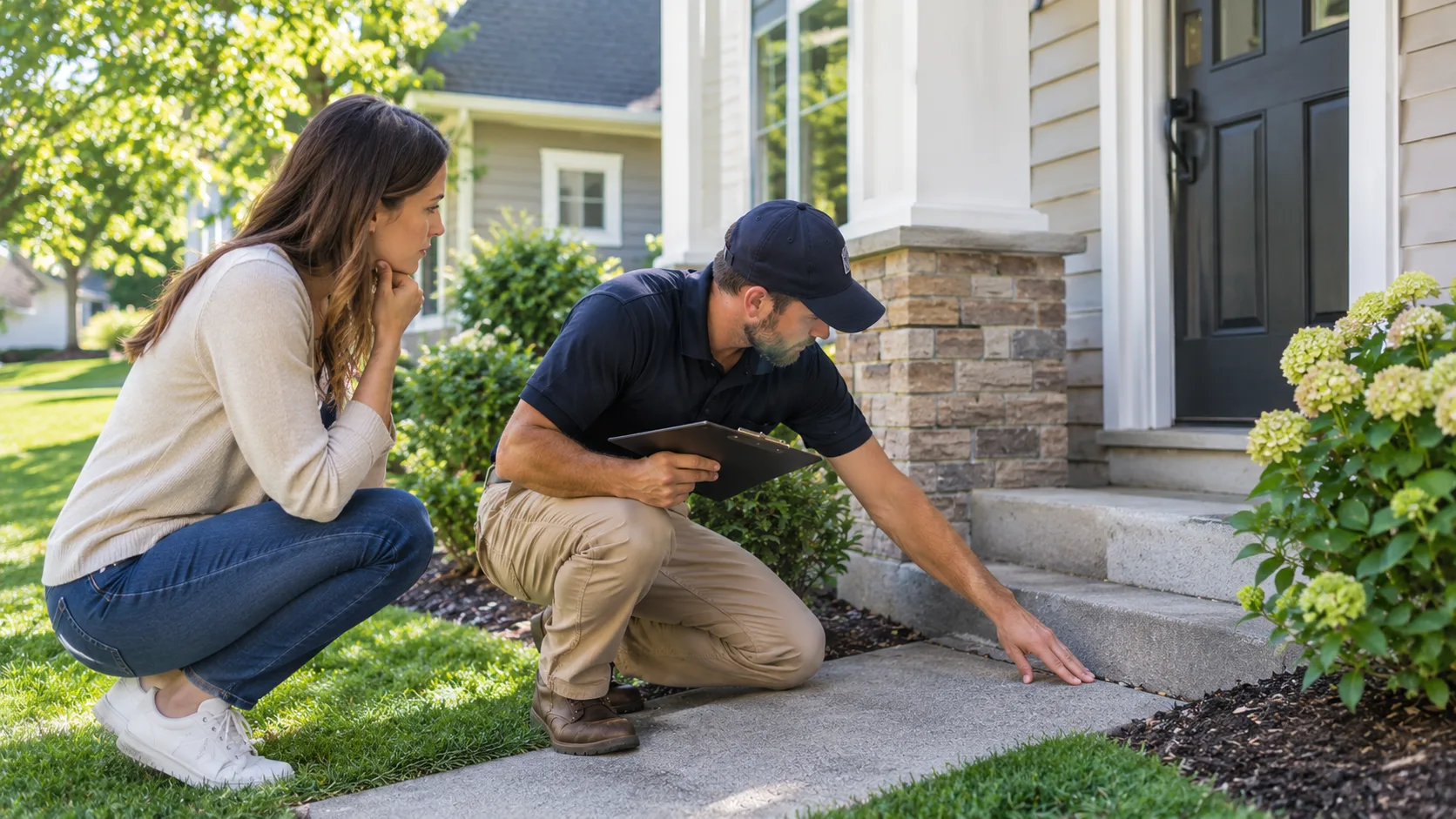
HUD’s goal is a home that is safe, sound, and secure. This is not a white-glove inspection. Cosmetic wear, like a stained carpet, usually won’t show up. Here is the checklist, grouped by what the appraiser is protecting.
Safety
- Peeling, chipping, or cracked paint, with extra attention on homes built before 1978 because of lead risk
- Exposed or loose wiring
- Stairs without secure handrails
- Standing water or signs of mold
- Wood-destroying insect damage
- Meth contamination, which makes a home ineligible until it is certified safe
Soundness
- A foundation, roof, and exterior free of damage
- A roof with about two years of life left, or the appraiser may require a roofer’s inspection
- Working heat and a reliable water supply
- A septic system that works, if the home has one
- Attic access and ventilated crawl spaces
Start your mortgage journey with clear guidance and real numbers. See what you qualify for today.
Security and access
- Safe road access, public or private
- Land that drains water away from the house
- A marketable home
Quick tip: On your next tour, flip every light switch, run every faucet, and look at the paint and stair rails. Screenshot this checklist first. Ten minutes can save you weeks.
What happens if the appraiser flags a repair?
A flag is not a “no.” The appraiser lists the problem, and the lender requires the fix before the loan moves forward. The appraiser usually returns to confirm the work. Typical fixes are simple: scrape and repaint, replace a broken window, redirect drainage, or treat pests. A missing railing is a quick add.
Sometimes the appraiser can’t tell if something meets standards, like an aging roof or an old septic system. The lender may then ask for a specialist’s inspection before approving the file. Order it early, since it can add days.
You have four common paths:
- Seller fixes it: Your purchase agreement decides who pays, so ask your agent to negotiate repairs or a lower price.
- You pay: Small fixes, like repainting or a new railing, are often the fastest route.
- Repair escrow: If work can’t finish before closing, such as outdoor painting in winter, funds may be held in escrow until it’s done.
- FHA 203(k) loan: A Limited FHA 203(k) lets you finance up to $75,000 in repairs in one mortgage, with nine months to finish. HUD reviews that cap each year.
What if the FHA appraisal comes in low?
For example, you agree to pay $300,000. At 3.5% down, that is $10,500. The home appraises at $290,000.
FHA bases your loan on the lower value. Your base loan can be at most $279,850 (96.5% loan-to-value, or LTV, on $290,000), so you’d need about $20,150 in cash. That is $9,650 more than planned, before closing costs.
You can renegotiate the price, split the gap, pay it in cash, or walk away if you have an appraisal contingency. Ask your lender about a reconsideration of value with stronger comparable sales. Whether you get your earnest money back depends on your contract.

FHA appraisal cost
HUD does not set the fee. It must be customary and reasonable for your area, and the buyer typically pays it, either at application or at closing. Many sources put an FHA appraisal at about $400 to $700. Rural, large, or multi-unit properties can cost more. Your Loan Estimate shows your exact amount, so ask about the fee early and avoid a surprise at closing.
Before you make an offer:
- Tell your agent you’re using FHA, and ask about any visible issues.
- Tour with the checklist above.
- Ask the seller about the roof’s age, recent repairs, and any past pest treatment.
- Check the flood zone. For a condo, confirm the building is on HUD’s approved condo list.
- Ask your agent about an appraisal contingency and repair terms in your contract.
- Get pre-approved for an FHA home loan. Know your FHA loan limit, run your budget through the home affordability calculator, and review the FHA loan requirements for credit and income.
FHA property rules are under review
HUD has proposed rewriting its property rules, including how lead paint, utility checks, and attic or crawl space reviews are handled. You can read HUD’s published draft. Public comments closed in early November, and current rules stay in effect until final changes are published. Ask your loan officer what applies to your file.
Conclusion
FHA appraisal requirements come down to two checks: is the price fair, and is the home safe, sound, and secure? Most homes in decent shape pass. Peeling paint, loose rails, roof wear, and failing systems are the usual flags, and each one has a fix path. Walk the property with the checklist, plan for a possible low appraisal, and keep a small cash cushion.
Ready to shop with confidence? Start your mortgage application or call 866-553-5977 to talk with a licensed Rize loan officer about the home you have in mind. Know someone house hunting? Share this guide with them.
What will fail an FHA appraisal?
Anything that makes the home unsafe, unsound, or insecure can trigger a required repair. Common examples are peeling paint on older homes, exposed wiring, a damaged roof or foundation, no working heat, a failing septic system, and wood-destroying insects. Most are fixable, and the home can move forward once the repair is verified.
How long does an FHA appraisal take?
The site visit usually takes a few hours, and the written report can take a few days to a few weeks, depending on the appraiser’s schedule and your market. Flagged repairs can add time because the appraiser often returns to confirm them.
How long is an FHA appraisal valid?
An FHA appraisal is valid for 180 days from the effective date of the report. If closing runs longer, an appraisal update can extend it to one year from the original effective date. The update must confirm the home has not lost value.
Does the seller have to fix everything the FHA appraiser finds?
Not automatically. The purchase agreement decides who pays. Buyers often ask the seller to make repairs or lower the price, and some pay for small fixes themselves. Required repairs must still be completed, or covered by a lender repair escrow, before the loan can close.
Do all FHA loans need an appraisal?
FHA purchase loans, 203(k) loans, and cash-out refinances need one, while an FHA streamline refinance can skip it. Rules vary by lender, so confirm with your loan officer.
Start your mortgage journey with clear guidance and real numbers. See what you qualify for today.