Increase home value before appraisal
Do inexpensive fixes (paint, landscaping, minor repairs) that immediately boost the value, leading to a higher appraisal and more cash out.
Tap into your home's value. Fund your future goals. Build financial power.
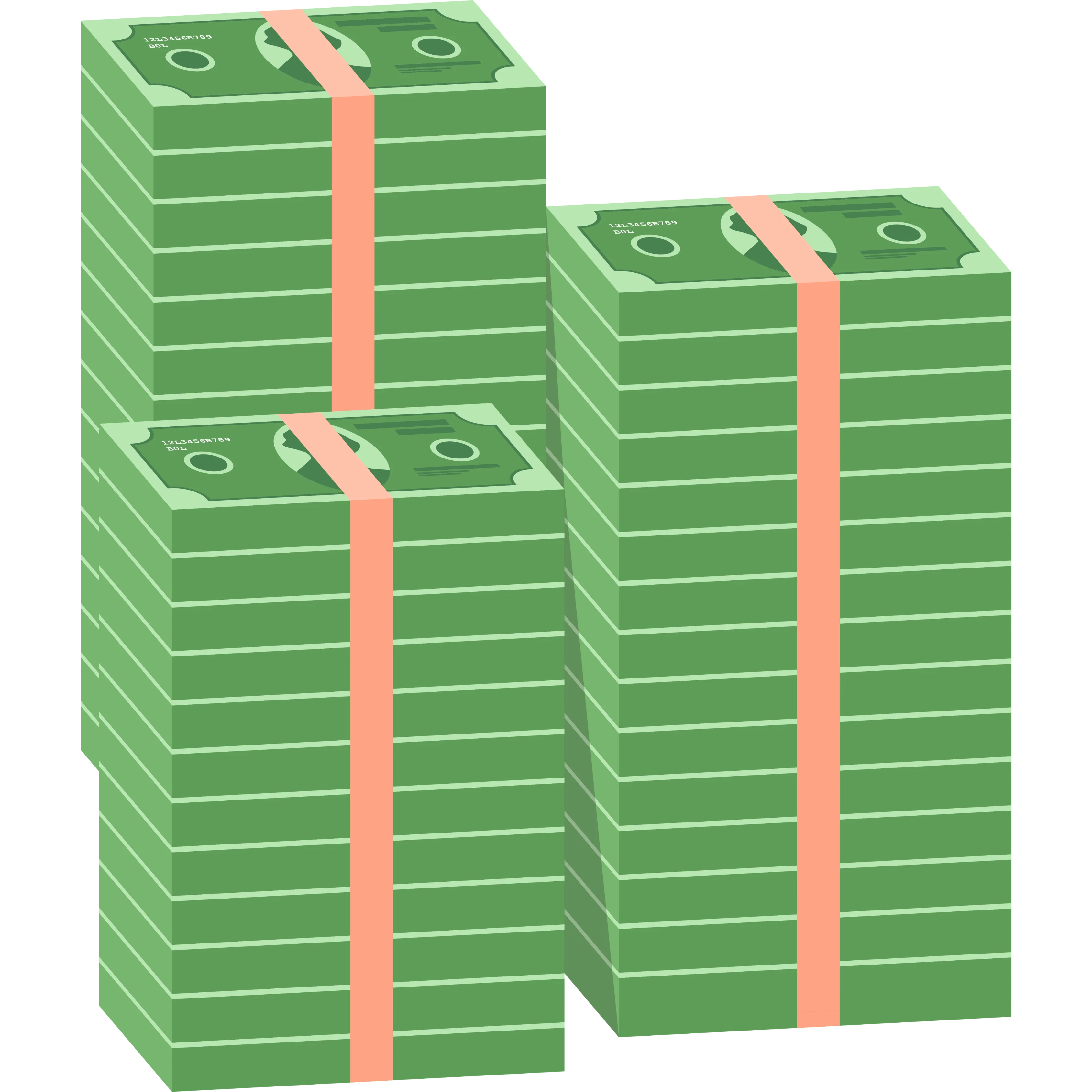
Deciding refinance with cash out is a strategic move, often allowing you to borrow money at a lower interest rate than high-interest credit cards or personal loans. The benefits are significant and can lead to a major financial reset.
Smart Debt Consolidation
Fund Major Home Improvements
Lower Overall Interest Costs
Get a Lump Sum for Large Expenses
Simplify Your Finances

Securing a cash-out refinance loan requires meeting specific underwriting guidelines. While every application is reviewed individually, below are the common requirements across most programs.
Credit Score
Maximum Loan-to-Value (LTV)
Debt-to-income (DTI)
Residency requirement
Cash reserves
Property seasoning

Do inexpensive fixes (paint, landscaping, minor repairs) that immediately boost the value, leading to a higher appraisal and more cash out.
Divide your closing costs by your monthly savings (if consolidating debt) to see how long it takes for the refinance to justify the expense financially.
Aggressively pay down non-mortgage debts, especially high-balance credit cards, in the months leading up to your application.
Discuss with your Rize Mortgage loan officer the best time to lock your rate and complete the appraisal with the favorable rates.
If consolidating high-interest debt, pay off those creditors immediately after receiving the cash to avoid late payments.
Is a Cash-Out refinance taxable?
The money you receive from a cash-out refinance is not considered taxable income. Since the funds are loan proceeds, not earnings, they aren’t subject to federal income tax. However, how you use the money may affect tax benefits. If you use cash for home improvements, you may be able to deduct the mortgage interest. Using it for personal expenses like debt consolidation generally doesn’t qualify.
How much can you cash-out refinance?
The amount you can cash out depends on your home equity, credit profile, and loan type. Most conventional loans allow borrowing up to 80% LTV (loan-to-value). FHA cash-out refinances allow up to 80%, while VA loans can go up to 100% LTV for eligible veterans. USDA loans don’t currently offer a cash-out option.
Does a cash-out refinance change your interest rate?
Yes. A cash-out refinance replaces your old mortgage with a new one, which comes with a new interest rate based on current market conditions and your credit profile. Rates on cash-out refinances are usually slightly higher than rate-and-term refinances because lenders assume more risk. Depending on when you originally locked your rate, your new rate could be higher or lower than what you’re currently paying.
How to get a cash-out refinance with bad credit?
It is possible, but more difficult to qualify for a cash-out refinance with bad credit. Most programs require a minimum 620 credit score, but FHA cash-out refinances may allow approval with scores as low as 580. Expect stricter conditions, such as higher interest rates or lower maximum cash-out limits. Demonstrating steady income and a low DTI ratio can improve your chances significantly.
How much does it cost to refinance a mortgage?
Closing costs for a cash-out refinance typically range from 2% to 5% of the new loan amount — roughly $6,000 to $15,000 on a $300,000 loan. These include the appraisal, lender origination fees, title services, and prepaid items like taxes and insurance. You can often roll these costs into the new loan balance rather than paying them upfront, though that increases your total loan amount.
Pre-qualify in minutes or speak with a local Rize Mortgage loan officer to create a tailored plan that puts your home's equity to work for you.